Oz Pearlman on 60 Minutes: Reading Minds or Reading People?
When 60 Minutes profiled mentalist Oz Pearlman, the segment opened an important conversation about what it truly means to “read minds.” Pearlman insists his act is built on a lie — the lie that he can actually read someone’s thoughts. What he does instead, he explains, is read people.
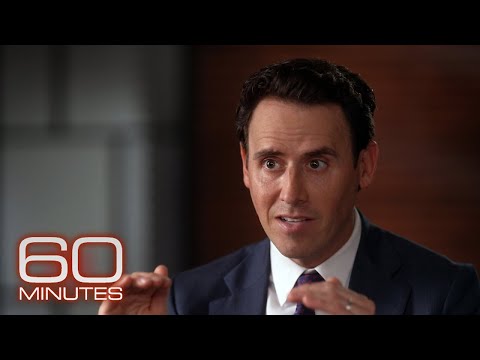
As a professional mentalist who performs for corporate and private audiences throughout Philadelphia, Montgomery County, and Bucks County, I found that distinction fascinating. It raises deep questions about truth, perception, and the very nature of performance itself.
Mind-Reading vs. People-Reading
Pearlman’s refusal to claim supernatural powers makes his work, in many ways, even more impressive. The idea of genuine telepathy may seem miraculous, but what Pearlman demonstrates is a mastery of something real and profoundly human — the ability to observe, interpret, and influence others.
He can predict a number someone is thinking of or reveal a hidden childhood memory, not because of psychic power, but because of psychological insight and deep intuition. These abilities are honed through years of experience reading facial expressions, micro-movements, tone, and word choice.
Still, the ethical question lingers. When an audience gasps and whispers, “He read my mind,” is it dishonest to let that impression stand? My own perspective aligns with Pearlman’s. The art of mentalism is built on suggestion and storytelling. The deception is part of the experience, but the purpose is not to fool — it’s to provoke curiosity about the mind’s potential.
When I perform, I often tell audiences that my goal is not to convince them that I possess supernatural abilities, but to demonstrate how our perceptions can be shaped by attention and imagination. It’s a form of theater, but one rooted in genuine psychological skill.
The Power of Observation
One of the most striking moments in the 60 Minutes segment comes when Pearlman astonishes correspondent Cecilia Vega by revealing intimate details about her past — her childhood bedroom poster and her dream vacation destination. There’s no mind-reading here. What we’re witnessing is the culmination of observation, intuition, and human understanding.
These skills are not limited to performers. Anyone can strengthen their ability to read subtle cues by simply paying attention. The average person’s eyes dart constantly, but a mentalist trains to notice the smallest flicker of emotion, the change in breathing, or the way someone leans in or pulls back.
It’s a reminder that communication is far more than words. Whether in business, relationships, or leadership, being observant can uncover insights that others miss. In my own corporate performances, I often discuss how these same principles apply to reading a room, understanding customers, or improving team dynamics.
Performance, Psychology, and Recovery
Pearlman’s talent doesn’t end with observation. His presentation style plays a vital role in the illusion’s success. Charisma, pacing, and confidence combine to create a sense of inevitability — that feeling of “He knew it all along.”
Even when a moment goes wrong, as it famously did in a televised segment with Al Roker, Pearlman doesn’t lose control. He adjusts, recovers, and reclaims the audience’s trust. That kind of composure isn’t magic; it’s professionalism. It’s what every performer, speaker, or leader must master: the ability to stay centered under pressure and keep an audience engaged.
In that sense, mentalism is not just entertainment — it’s a masterclass in communication. Every successful performance reveals the same truth: people don’t remember whether you were perfect; they remember how you made them feel.
The Human Side of Wonder
Oz Pearlman’s approach highlights something beautiful about the art of mentalism. The real magic isn’t about fooling people. It’s about reminding them of the power of attention and the mysteries that exist in everyday interactions.
When I step onto a stage — whether in a conference hall, a private event, or a dinner performance — I try to evoke that same sense of curiosity. What if we all noticed a little more? What if we could understand one another just a bit better? That’s the true wonder behind what people call “mind-reading.”
Final Thoughts
The 60 Minutes profile of Oz Pearlman pulls back the curtain just enough to show that his work is not about psychic ability, but about human potential. He invites us to see that the line between the impossible and the extraordinary often lies in how deeply we pay attention.
For audiences across Philadelphia, Montgomery County, and Bucks County, my performances explore that same idea through interactive demonstrations of intuition, perception, and connection.
To learn more about live events and corporate programs that explore the psychology of wonder, visit rickdeezie.com